
By Abigail Jastrab, PharmD, BCPS
Director, Patient Engagement and Clinical Innovation
As the Director of Patient Engagement and Clinical Innovation at PANTHERx® Rare, my work sits at the intersection of clinical excellence and the lived patient experience. Every day, I see how transformative these therapies can be, but I also see the very real barriers that stand between patients and the care they need. My role is to help design clinical models based on the complexity of these journeys while creating interactions that feel personal, accessible, and supportive.
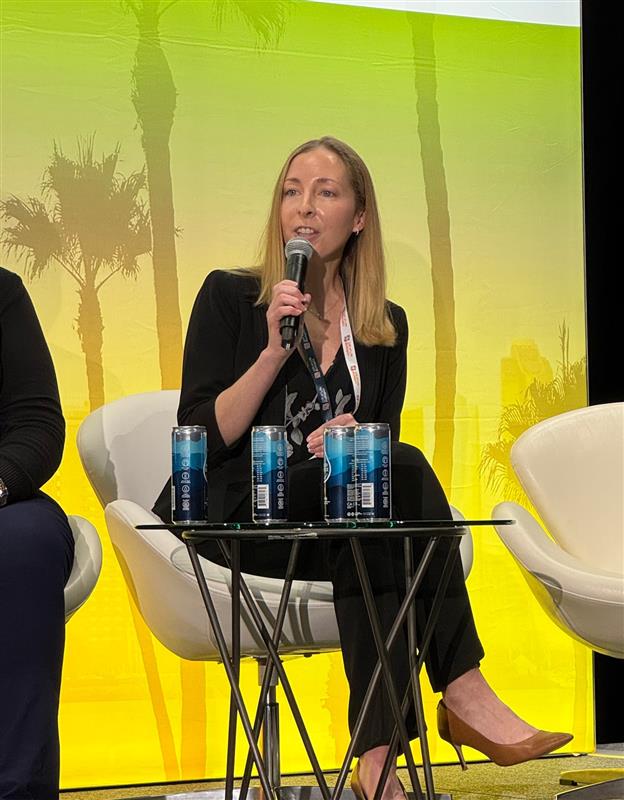
Attending Advanced Therapies Week and participating in the “Patient-centric by design: Creating therapies with the patient in mind” panel was insightful and meaningful, because it brought together voices across the ecosystem who share a commitment to ensuring that the promise of cell and gene therapy is reflected in the support structures patients deserve.
The timing is also truly relevant as the cell and gene therapy (CGT) field is expanding at an unprecedented pace. Today, 37 CGTs are FDA approved, and nearly 2,000 programs are progressing through clinical development.1 Many of these therapies target rare diseases and oncology populations with already complex, emotionally demanding, and resource-intensive care journeys.
During the panel, I was glad to hear similar perspectives from my colleagues who also recognize that as this pipeline grows, one reality is becoming increasingly clear: Education and transparent communication is paramount, especially as these therapies expand into community-based practices. Patient-centric design must evolve if patients are to start, complete, and safely navigate highly complex therapies.
Having consensus across my fellow panelists was certainly positive, but careful consideration needs to be made as to how we turn this insight into an actionable plan.
A few themes emerged during the panel that can help us action and create a CGT model that reflects the realities of patients’ lives.
Reach: Expanding Real World Access
During the panel, we examined what “access” truly means in a patient’s daily life. Beyond geography and cost, hidden barriers—like the inability to travel, taking time off work, or managing complex logistics—often disrupt CGT readiness. The group emphasized the need for stronger provider and payer education and care pathways that reflect real-world patient burdens.
Right Patient, Right Product
Matching patients to the appropriate therapy includes developing standardized measures of immune fitness to guide eligibility, timing, and stratification. Healthy cell samples must be collected before pre‑treatments, because those therapies weaken the immune system and may leave patients too fragile to continue safely. Early collection may ensure healthier, more viable cells instead of waiting until the patient is too sick for optimal harvesting.
Learn and Sustain: Building Trust and Long-Term Engagement
CGT is one-time dose, long term care. Patients require sustained support, clear expectations, and trusted partners to navigate multisite journeys. The conversation highlighted the importance of long-term monitoring systems that capture early safety signals and support durability in a patient-centric way.
To me, this was the heart of our panel discussion, and what excites me the most, as it directly aligns with what we are building at PANTHERx through our hyper-personalized RxARECONCIERGE™ model delivering individualized, proactive engagement across the entire patient journey to support long-term monitoring.
This work belongs to all of us: therapeutic developers, payers, providers, specialty pharmacies, advocates, and patients themselves. When we collaborate, we can deliver on the full promise of advanced therapies.
I am proud to have a voice in building the infrastructure that brings that vision to life.